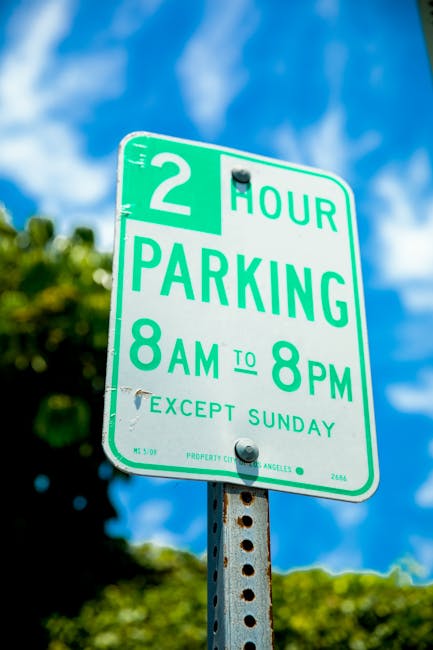
Street parking suspensions in Harlesden -- permit & fine guide
Posted on 12/07/2026
If you have ever lined up a van, a skip, or a delivery lorry on a narrow Harlesden street and then spotted a suspension sign at the last minute, you will know the feeling. It is a bit grim, honestly. Street parking suspensions in Harlesden -- permit & fine guide is one of those topics that sounds dry until you are the person trying to load a sofa, move a flat, or avoid a penalty notice outside your own home. This guide breaks down how suspensions work, what the permit and fine risks actually mean, and how to plan a move without turning a busy day into an expensive one.
You will also find a step-by-step approach, a practical checklist, and a realistic look at common mistakes people make in NW10. For broader move planning, it can help to read how to move without stress and the company's services overview if you are coordinating a full house move around parking restrictions.
Why Street parking suspensions in Harlesden -- permit & fine guide Matters
In Harlesden, parking is not just "find a gap and hope for the best". On many streets, the available space is tight, the kerbside gets used hard, and a single suspension can change the whole shape of your day. If you are moving house, receiving bulky items, arranging a removal van, or even scheduling a skip, a suspension can affect where a vehicle stops, how long it can stay, and whether you need to make other arrangements.
That matters for two reasons. First, a vehicle parked in the wrong place can attract a penalty. Second, even if you avoid a fine, you can still lose time, delay loading, and make a move more stressful than it needs to be. In practice, that often means extra carrying distance, more double-handling of furniture, and a van waiting with the engine off while everyone scrambles around for a safer spot. Not ideal.
Harlesden has a mix of residential streets, estate roads, and busier routes where road space is always at a premium. So a parking suspension is not a niche issue; it is part of the moving puzzle. If you are planning ahead, the advice in this Harlesden permit guide and these route notes for local roads can save a fair amount of hassle.
Expert summary: treat suspension signs as operational warnings, not background noise. If your van, skip, or loading bay plan depends on roadside space, confirm everything early and assume you will need a backup option.
There is also a money side to it. A penalty notice, a rebooking fee, or a forced change of plan can cost more than arranging the right parking setup in the first place. That is why this topic sits right at the intersection of permits, fines, timing, and local knowledge.
How Street parking suspensions in Harlesden -- permit & fine guide Works
Street parking suspensions are temporary restrictions placed on bays or sections of road, usually so the space can be used for a specific purpose. In a moving context, that might mean allowing a removal van to load close to a building, protecting access for building works, or making room for a skip, scaffold, utility job, or event-related traffic control.
The important bit is this: a suspension does not mean "park here unless you are quick". It means the normal parking rule has been set aside for a limited period. If the suspension applies to the space you would have used, the vehicle should not be there unless the arrangement specifically allows it.
What people often call a "permit" can mean different things in day-to-day conversation. Sometimes it refers to a parking permit that already applies to the street. Sometimes it means a temporary authorisation for an activity such as a move. And sometimes it is just shorthand for "permission from the relevant authority". The terminology can get messy. The practical point is simple: you need the right approval for the right day, time, and location.
Fines usually come in when drivers assume one of three things: that the suspension will not be enforced, that the sign is only advisory, or that they can park outside the exact wording because they are "just there for a minute". That last one is classic human behaviour, by the way. We have all seen someone risk it because they thought the lift would be quick. Then the lift turns into twenty-seven minutes of wrestling a wardrobe around a stairwell.
For larger furniture and awkward items, it is worth linking your parking plan to the actual move. A useful place to start is the reality of DIY piano moves or the practical advice in solo lifting strategies, because the parking decision often affects how much manual handling is required.
Key Benefits and Practical Advantages
Done properly, planning around street parking suspensions gives you a few real advantages that are easy to underestimate until the moving day arrives.
- Closer loading access: fewer metres between the front door and the vehicle means less time and less strain.
- Lower enforcement risk: you reduce the chance of parking penalties, complaints, or awkward roadside conversations.
- Better time control: when the van can stop where you expected, the whole schedule feels calmer.
- Less damage risk: carrying heavy items over a shorter distance usually means fewer bumps, scrapes, and near misses.
- Cleaner coordination: everyone knows where to unload, where to stand, and where not to block the road.
There is also a softer benefit. Good parking planning makes the day feel organised. That sounds minor, but in a stressful move it matters a lot. People settle faster when the big unknowns are taken care of. A sofa does not become less heavy just because the parking is sorted, but it does become easier to move when the team is not also arguing about where the van can legally wait.
If you are reducing the size of a load before moving, the guide on decluttering before a move is worth a look. Smaller loads are easier to align with tight parking windows, especially on busy Harlesden streets.
Who This Is For and When It Makes Sense
This guide is relevant to more people than you might think. It is not just for landlords or big contractors with lorries and clipboards.
- Home movers: anyone moving a flat, maisonette, or house where kerbside loading matters.
- Tenants in narrow streets: especially where parking is already competitive and visitor spaces are limited.
- Removal crews: when a van needs to stay close to the entrance for a larger load.
- Students: moving in or out with a small van but no private driveway.
- Furniture buyers and sellers: if a delivery or collection needs a temporary roadside stop.
- People arranging skips or clearances: because bay suspensions and access restrictions can affect waste removal as well.
It makes most sense whenever the job depends on using the street outside. That includes one-bedroom flat moves, larger family removals, office clear-outs, and those awkward "we only need the van for an hour" jobs that somehow never stay an hour. If your item list includes bulky pieces, the material on moving beds and mattresses and protecting sofas in storage can also help you plan how much space the vehicle really needs.
Truth be told, if you are unsure whether you need a suspension-related permit or just a normal parking arrangement, that is exactly the moment to stop guessing and verify the setup. Guesswork is expensive when enforcement is active.
Step-by-Step Guidance
Here is the practical way to handle street parking suspensions in Harlesden without overcomplicating it.
- Identify the exact street and side of road. A suspension on one side does not always affect the opposite side, and the wording matters.
- Check the date range and hours carefully. Some restrictions are active for a full day, others only during set hours. Do not read it in a rush while carrying a kettle.
- Confirm whether the vehicle type matters. A van, a car, and a skip lorry may not be treated the same way.
- Plan the vehicle position. Think about doors opening, tail lift use, pavement width, and whether the truck will block access.
- Build in a backup option. If the nearest space is suspended, identify a second location before moving day.
- Tell everyone involved. The driver, movers, and residents should all know where the vehicle will be and what to do if the first choice is gone.
- Re-check the evening before. Temporary notices can be updated, extended, or altered. A quick final look can prevent a nasty surprise.
A useful habit is to think about the whole day in blocks. Morning parking, loading, travel, unloading, return trip. If the first block fails because the suspension was overlooked, the rest of the day tends to wobble too. Small planning, big payoff.
If you need help with a short-notice move, the notes on same-day van availability in Harlesden are a sensible companion read, especially if you are juggling timing and roadside access at once.
Expert Tips for Better Results
After enough moving days, a few patterns show up again and again. Nothing magical. Just practical habits that stop small issues becoming large ones.
- Take photos of the signs. If there is a dispute later, having a clear record helps you explain what was visible and when.
- Use a helper for parking checks. One person can watch the van while the other checks the actual notice board. Easy win.
- Keep cones or a loading plan in mind only where appropriate. Do not assume you can reserve public space yourself unless the proper arrangement exists.
- Match item size to parking reality. If a street is tight, split the load or pre-stage items inside the property.
- Use quieter time windows where possible. Early starts often reduce pressure, though not every neighbourhood behaves the same way.
- Coordinate with nearby access points. On some Harlesden roads, a slightly longer walk from a legal space is better than a risky stop at the front door.
One small but useful observation: the more fragile the move, the more you want the parking decision settled. A piano, a freezer, a large mirror, or a heavy wardrobe does not appreciate improvisation. If that is your situation, the specialist reading on piano removals in Harlesden and furniture removals support can be a good fit.
And yes, sometimes the "best" spot is not the closest one. It is the one that is legal, practical, and not going to get you a ticket while you are inside carrying the second box of books. Slightly boring. Very effective.
Common Mistakes to Avoid
Most parking problems in Harlesden come from a handful of predictable mistakes. They are easy to make, which is why they are worth spelling out clearly.
- Reading the sign too quickly: the exact hours, dates, and vehicle class matter.
- Assuming a permit covers every scenario: a resident permit, visitor permit, and temporary arrangement are not interchangeable.
- Leaving the check until move day: by then, you are already under pressure.
- Ignoring nearby restrictions: even if the space looks open, yellow lines, loading bans, or other controls may still apply.
- Parking for "just five minutes" in a suspended bay: that phrase has caused a shocking amount of trouble over the years.
- Not planning for the return trip: a space that worked in the morning may be occupied or restricted later.
One more mistake, and it happens a lot: people do all the lifting planning but forget the parking path from van to doorway. That route may include steps, poor lighting, narrow hallways, or a funny little bend that makes a fridge feel twice as large. If you are trying to avoid injury or damage, the practical advice in our lifting technique guide and heavy lifting tips can help you think ahead.
Tools, Resources and Recommendations
You do not need a complicated toolkit, but a few simple things make the process much easier.
- Phone camera: for photographing signage and road conditions.
- Notepad or checklist: useful for recording dates, times, and backup parking options.
- Measuring tape: helpful if you are checking whether a van or lorry will fit safely without obstructing entrances.
- Printed move plan: still surprisingly useful when your phone battery is being dramatic.
- Protective packing materials: if the parking point is a little farther away than expected, good packing matters even more.
On the website, the most relevant supporting reads are the guide to packing boxes and supplies, the overview of removal services in Harlesden, and the practical notes on narrow-access moves on Harlesden High Street. Those pieces are especially helpful if the parked vehicle is a little way from the front door.
If your move is tied to a flat, student property, or a schedule that cannot drift, the related pages for flat removals and student removals can also help you shape the logistics around a limited parking window.
Law, Compliance, Standards, or Best Practice
For a topic like this, it is better to stay precise without pretending every street follows the same rule. Parking controls and suspensions can involve local authority requirements, road safety obligations, and site-specific notices. In plain English: the sign, the date, the road layout, and the vehicle type all matter.
Best practice is to treat suspensions as active restrictions until you have checked the exact terms. If a temporary permission or permit is required, make sure it covers the right location and the right time window. If you are organising a move, skip, or delivery, coordinate early so you are not trying to interpret the notice board while the van is waiting and everyone is getting impatient.
It is also sensible to keep your records. A screenshot, a photo, or a written note of the arrangement can help if there is confusion later. That is not about being paranoid. It is about being tidy. And parking issues, to be fair, are often just paperwork wearing boots.
Good compliance is not only about avoiding fines. It also helps protect access for neighbours, pedestrians, emergency vehicles, and contractors. A badly parked van can block a driveway or narrow road in a way that creates real problems. So the standards here are practical as much as legal: be clear, be accurate, and be considerate.
Options, Methods, or Comparison Table
Depending on the type of job, you may have a few ways to manage street access. The right choice usually depends on timing, vehicle size, and how much loading space you need.
| Option | Best for | Pros | Limitations |
|---|---|---|---|
| Park closest to the entrance with correct permission | House moves, heavy items, short loading windows | Fastest loading, least carrying, less strain | Requires accurate planning and the right approval |
| Use a legal nearby space and carry further | Busy streets, restricted bays, uncertain parking | Lower risk of enforcement issues | More labour, more time, higher fatigue |
| Arrange a different time slot | Flexible moves, fewer roadside conflicts | Can avoid peak pressure and congestion | May not suit building access or tenant handover times |
| Use a smaller vehicle or split load | Tight streets, flats, narrow access | More manoeuvrable, easier to place legally | May need more trips |
For many Harlesden moves, the best answer is a hybrid: book the right vehicle, check the street conditions early, and have a fallback space in mind. That is often better than chasing the perfect bay that may not stay available anyway.
Case Study or Real-World Example
Here is a realistic example from a typical Harlesden moving day. A couple were moving out of a first-floor flat near a busy residential road. They assumed the van could stop directly outside for loading. Simple enough, except the bay they wanted was subject to a temporary suspension for another job, and the sign had been in place for several days already.
Because they checked late, they had to shift the van to a legal space further down the street. That added a few extra minutes each trip, and the hallway-to-vehicle route got longer than they wanted. Nothing catastrophic, but it changed the pace completely. The heavier items took more effort, the final sweep of the flat ran late, and the driver had to hold back while a neighbour needed access to a driveway. The move still finished, but with that familiar "we should have checked this earlier" feeling.
In a second version of the same story, they had photographed the suspension sign the day before, arranged a backup bay, and split the load into lighter runs. Much calmer. Less noise, less rushing, fewer little mistakes. It sounds basic because it is basic. That is usually how good moving days work.
For jobs with added complexity, such as awkward furniture or multi-room loading, pages like the Craven Park Estate moving checklist and advice on moving near Willesden Junction at peak times can give you a stronger sense of what local timing actually feels like.
Practical Checklist
Use this before move day. It is short on purpose.
- Confirm the exact street, side, and bay location.
- Read the suspension times carefully.
- Check whether your vehicle type is affected.
- Photograph the notice if needed.
- Arrange the correct permit or permission in advance.
- Choose a backup parking option.
- Tell the driver and movers where to stop.
- Measure the walk from vehicle to entrance.
- Protect fragile items in case loading takes longer.
- Re-check signage the day before and again on the day if practical.
If you are also clearing out items, it can help to review bulky waste removal options in Harlesden so you are not trying to combine waste, parking, and moving all at once. That combination tends to get messy fast.
One-line reminder: never rely on memory alone.
Get a free quote today and see how much you can save.
Conclusion
Street parking suspensions in Harlesden are not just a local nuisance; they are a practical factor that can shape the whole success of a move, delivery, or clearance. If you understand the permit angle, check the signs properly, and plan for fines by avoiding the situations that trigger them, you remove a huge amount of friction from the day.
The main thing is to stop treating parking as the last detail. In a place like Harlesden, it is often one of the first details. Get it right, and everything else becomes easier: the lifting, the timing, the access, even the mood. And on moving day, mood counts for more than people like to admit.
So take a breath, check the street, and build in a backup. Small bit of effort now, much calmer day later. That is usually the win.