Bulky waste removal in Harlesden -- safe disposal options
Posted on 22/05/2026
If you have an old sofa wedged in the hallway, a broken wardrobe in the spare room, or a mattress that has been meaning to leave the flat for months, you are not alone. Bulky waste removal in Harlesden -- safe disposal options is one of those jobs that sounds simple until you try moving a heavy, awkward item down a narrow stairwell on a damp evening. Then it becomes very real, very quickly.
This guide explains how bulky items are removed safely, what your disposal options look like in practice, and how to avoid the messy bits: injury, damage, fly-tipping, and last-minute panic. It also shows when a professional removal service makes more sense than a DIY run to a facility. To be fair, most people only need this information once or twice a year, but when they do, they need it properly.
We will cover the safest methods for furniture disposal, appliance removal, recycling routes, lifting risks, compliance basics, and a practical checklist you can actually use before anything leaves your property. If you are clearing a home, moving out, or just reclaiming space, this should help you make a calmer decision.
Why bulky waste removal in Harlesden -- safe disposal options matters
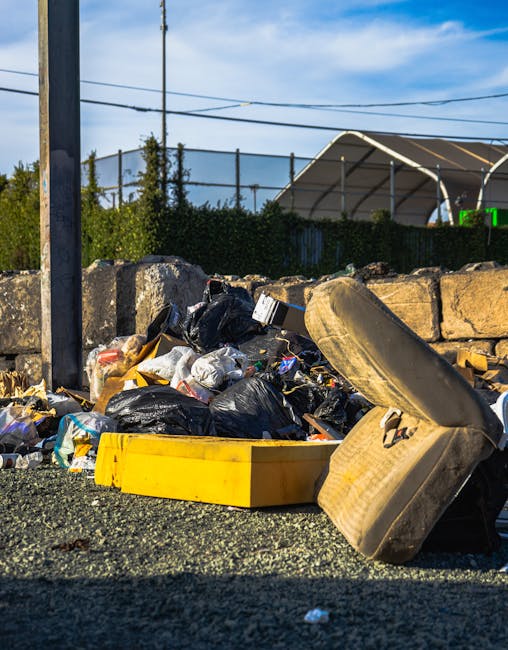
Bulky waste is not just "big rubbish". It is anything heavy, awkward, or cumbersome that does not fit into regular household bins and needs a sensible disposal route. Think sofas, wardrobes, beds, mattresses, exercise equipment, white goods, desks, office chairs, broken shelving, and sometimes items that are still usable but no longer needed.
The safety angle matters because bulky items are difficult to carry and even harder to manoeuvre in typical Harlesden homes, especially flats, shared stairways, older houses, and properties with tight entrances. A quick lift can turn into a strained back, scraped wall, chipped banister, or a dropped item in seconds. Anyone who has ever tried to pivot a wardrobe round a landing knows that "just take it downstairs" is never just that.
There is also the environmental side. Good disposal means the item is sorted for reuse, recycling, or responsible treatment rather than dumped illegally. In a busy London area, fly-tipping creates visual mess, safety hazards, and stress for everyone nearby. Choosing a proper route is a small decision that has a bigger impact than people sometimes think.
If you are planning a move, decluttering project, or property clear-out, bulky waste disposal often sits alongside other tasks like decluttering before a move and arranging house removals in Harlesden. Linking those jobs together can save time and reduce the number of times you lift the same item. That alone is worth it.
How bulky waste removal in Harlesden -- safe disposal options works
At a practical level, the process usually follows a straightforward pattern: identify the items, choose a disposal route, prepare them safely, move them out, and ensure they are handled properly at the next stage. The details depend on what you are getting rid of and how much help you want.
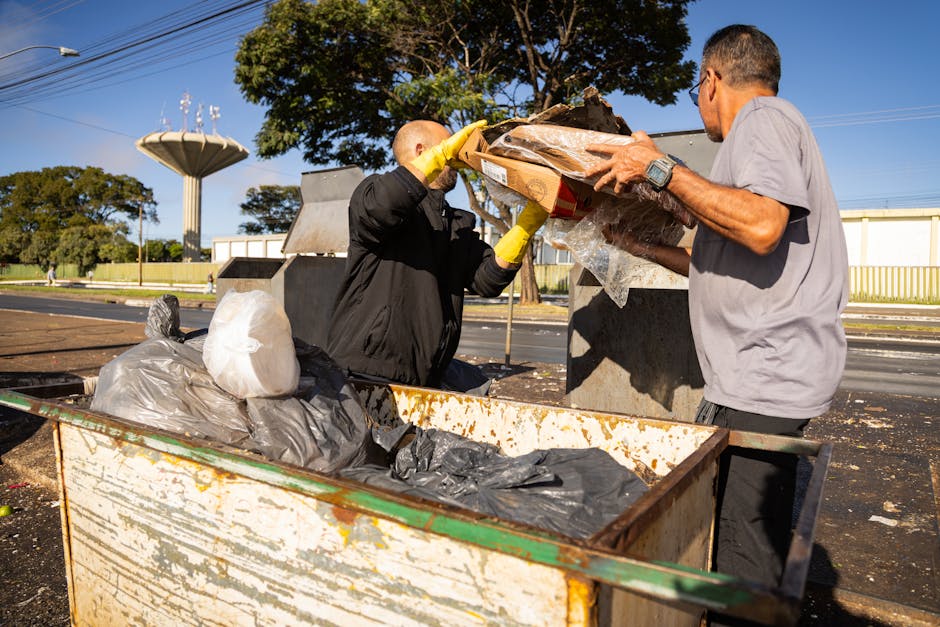
For smaller loads, some people prefer to sort and transport items themselves. That can work if the waste is manageable, the vehicle is suitable, and the lifting risk is low. But with heavier pieces, it is often better to use a removal team that knows how to protect floors, doors, and stairwells while moving the load. A good team will not just show up and start shifting things. They will assess access, weight, and the safest route first.
In a typical local removal job, you can expect the crew to:
- confirm which items are being removed
- check whether anything is reusable, recyclable, or requires special handling
- plan the load order so heavier items go out safely
- use the right moving equipment where needed
- protect walls, door frames, and floors if the access is tight
- take the items to an appropriate disposal or recycling route
The best outcome is not just that the items disappear. It is that they are removed cleanly, without damage, and with a clear disposal path. If you are also dealing with storage overflow, it may help to consider storage in Harlesden for items you are not ready to throw away yet. Sometimes the right answer is not disposal, but time.
Key benefits and practical advantages
There are a few obvious benefits to choosing a safe, organised bulky waste removal process, but the quieter benefits matter too.
1. Less risk of injury
Heavy items put strain on backs, shoulders, knees, and hands. They also twist awkwardly when you least expect it. Using a sensible removal method reduces the chance of a quick job becoming a week of discomfort. Truth be told, that is reason enough for many people.
2. Less damage to your home
Scratched flooring, dented walls, and damaged stair rails are common when bulky items are dragged or carried by people who are underprepared. Careful handling matters more than speed.
3. Better recycling outcomes
Bulky waste can often be broken down into wood, metal, textiles, foam, or mixed materials. A responsible disposal route gives those materials a better chance of being recovered rather than simply treated as mixed rubbish.
4. Faster clearance
What feels like a full weekend project can often be dealt with in a short visit when the plan is clear. That is especially useful before moving day, after tenants leave, or when preparing a property for cleaning or sale.
5. Less mental clutter
Large items are oddly draining to live with when they are in the wrong place. A spare sofa in the hallway or a broken freezer in the kitchen keeps reminding you it is there. Once it is gone, the room breathes again. A bit dramatic, maybe, but true.
Many people combine bulky waste clearance with a broader moving plan, using support such as removal services in Harlesden or man and van support for mixed loads. That can be a smart way to keep the project under control.
Who this is for and when it makes sense
This kind of service is useful for a wide range of people, and not just during a house move. In fact, many bulky waste jobs happen because life changes a little faster than the furniture does.
- Homeowners clearing a garage, loft, shed, or spare room
- Tenants preparing for end-of-tenancy handback
- Landlords dealing with leftover furniture after a tenant move-out
- Students leaving furnished accommodation and needing fast, simple clearance
- Families replacing beds, sofas, wardrobes, or old appliances
- Small businesses disposing of office chairs, desks, shelving, and worn-out fixtures
It also makes sense if the item is simply too awkward for one person to handle safely. A piano, for example, is not a casual DIY lift. If you are dealing with something unusually heavy or valuable, specialist help is a better fit, and the same safety mindset applies to piano removals in Harlesden.
A quick rule of thumb: if the item feels like it needs two people, tools, and a clear route, it probably does. If it needs more planning than your tea break allows, that is your sign.
Step-by-step guidance
Here is a practical way to handle bulky waste removal without making a meal of it.
Step 1: Identify exactly what needs to go
Walk through the property and list every item. Be specific. "Old furniture" is too vague. "Two-seater sofa, pine wardrobe, broken bedside cabinet, and mattress" is much better. You need a clear picture before you book anything or start moving.
Step 2: Decide whether each item is waste, reusable, or storable
Some items are genuinely at end of life. Others are only temporarily in the way. If a sofa is in decent condition, storing it or passing it on may make more sense than disposal. A freezer that still works, for example, may be worth reviewing carefully before it is sent away. If storage feels like the right pause button, see advice on long-term sofa storage and safe freezer storage guidance.
Step 3: Check access and lifting conditions
Look at stairwells, door widths, corners, lifts, parking distance, and any tight interior routes. The route matters just as much as the item. If it has to be turned sideways, lifted over a threshold, or carried through a narrow landing, you will need a plan.
Step 4: Separate special items
Some bulky waste needs extra care. Fridges and freezers may contain gas and electrical parts. Mattresses are awkward to grip and easy to dirty. Furniture with glass, mirrors, or sharp edges should be protected before moving. Mixed loads often need sorting so the safe disposal route stays clear.
Step 5: Prepare the item for removal
Remove loose shelves, drawers, cables, cushions, or accessories. Tape doors shut if needed. Wrap fragile edges. If you are moving items out yourself, this is where basic preparation saves a lot of hassle later. A little prep, a lot less swearing.
Step 6: Move carefully, not quickly
Use the correct lifting technique, get enough people on the job, and do not rush corners. If an item is too heavy to hold securely, stop and reset. That pause is not wasted time. It is the moment that stops a problem from happening.
Step 7: Confirm final disposal or recycling route
After collection, the item should go to the correct treatment route. Reusable pieces may be separated for reuse. Recyclable components should be handled appropriately. Good service providers will be transparent about this rather than vague.
Expert tips for better results
These are the small details that tend to make the biggest difference in real life.
- Measure before you move. If the item only fits if you "angle it a bit," you need the measurements of the door frame, hallway, and landing.
- Empty everything first. Wardrobes, drawers, cabinets, and fridges are safer and lighter when emptied.
- Protect the route. Old towels, blankets, and corner protectors can help reduce scuffs on painted walls and polished floors.
- Lift from the legs, not the back. Basic, yes. Still ignored all the time.
- Use gloves with grip. A smooth melamine board or worn sofa fabric can slip more than you expect.
- Plan the load order. Put the awkward heavy item at the front or rear of the removal van so it can be secured properly.
- Take photos of valuable items first. Handy if you are recycling, donating, or keeping a record before a clear-out.
One practical local insight: Harlesden homes often mix different building styles, from basement flats to older terraces and compact apartments. That means access can change a lot from property to property, even on the same street. A route that works for one sofa might fail completely for another. Slightly annoying, yes. But very normal.
If you are also clearing the rest of the property, it can help to pair bulky waste removal with thorough pre-move cleaning steps so you are not cleaning around items that should have gone earlier.
Common mistakes to avoid
Most problems in bulky waste disposal are avoidable. The annoying part is that they are usually avoided by doing simple things slightly earlier.
- Leaving the lift until the end. By then, the item is already unwrapped, half-moved, and everyone is tired.
- Assuming an item is light because it is small. A small filing cabinet can be heavier than it looks. So can a compact treadmill. Sneaky things.
- Trying to drag items across floors. It is a fast way to damage surfaces and get nowhere fast.
- Ignoring sharps or loose components. Broken furniture, glass, and damaged fittings can cause cuts or snag clothing.
- Mixing recyclables with general waste without checking. Sorting matters if you want a responsible disposal route.
- Booking the wrong size vehicle. If the item does not fit safely, the job becomes more difficult than it needed to be.
- Using an unverified clearance method. If a service cannot explain where the waste goes, that is a red flag.
One common mistake people make during moves is treating heavy items as an afterthought. That is where bed and mattress moving guidance and packing tips for a smoother move become surprisingly useful. The better you organise the "big awkward stuff," the less pressure everything else carries.
Tools, resources and recommendations
You do not need a warehouse full of gear, but a few simple tools can make bulky waste removal much safer and neater.
| Tool or item | Why it helps | Best use |
|---|---|---|
| Heavy-duty gloves | Improves grip and protects hands | Furniture, appliances, mixed waste |
| Furniture straps | Helps stabilise heavy items when carrying | Wardrobes, sofas, cabinets |
| Blankets and covers | Reduces scratches and scuffs | Wood furniture, painted walls, stairs |
| Trolley or sack truck | Reduces lifting strain on suitable items | Boxed loads, appliances, compact bulky items |
| Strong tape and labels | Keeps parts together and avoids confusion | Flat-pack items, drawers, cables |
For people managing a bigger clear-out, the most useful resource is often a combined removals plan rather than a single-purpose trip. That might mean pairing clearance with removals in Harlesden, furniture removals, or a man with a van in Harlesden depending on how much needs shifting.
If the project is time-sensitive, same-day support may be worth considering. A quick response is often more useful than a perfectly complicated plan that starts three days too late. If you are in that situation, see same-day removals in Harlesden for a faster option.
Law, compliance, standards, or best practice
For bulky waste, compliance is mostly about doing things responsibly and keeping clear records of what happens to the items. You do not need to become an expert overnight, but a few principles matter.
First, use a legitimate disposal route. If someone offers to take waste away cheaply but cannot explain where it goes, that is not a shortcut worth taking. Fly-tipping remains a serious issue, and if waste is dumped illegally, the origin of the load can become a headache for everyone involved.
Second, keep safe lifting practices. Under UK workplace safety expectations, manual handling should be assessed properly where risk exists. In everyday terms, that means not pretending a heavy load is "fine" when it plainly is not. If an item is awkward, unstable, or too heavy for one person, treat it accordingly.
Third, think about special waste carefully. Some appliances, damaged electrical items, and items with gas or chemical components may need more careful handling than standard furniture. It is best practice to separate them early rather than toss everything into one pile and hope for the best.
Fourth, use a provider with clear service information. Good businesses should be open about their process, pricing approach, safety standards, and what happens if access is difficult. If you want to understand a company's wider standards, it can help to review pages such as insurance and safety, health and safety policy, and recycling and sustainability.
Small but important point: responsible disposal is not only about the end destination. It is also about safe handling on the way there. That is the bit people forget until they catch a finger in a hinge. Ouch.
Options and comparison table
There is more than one way to handle bulky waste. The right option depends on urgency, physical effort, item type, and whether you want the process to be simple or hands-on.
| Option | Best for | Pros | Things to watch |
|---|---|---|---|
| DIY disposal | Small loads, accessible items | Can feel cheaper and flexible | Requires lifting, vehicle space, time, and disposal knowledge |
| Professional bulky waste removal | Heavy, awkward, or multiple items | Less strain, quicker, safer handling | Needs clear item list and access details |
| Reuse or donation route | Items in usable condition | More sustainable, may help someone else | Not suitable for damaged or worn-out items |
| Short-term storage | Items you are unsure about | Buys time for decisions | Ongoing cost and space use |
For many Harlesden households, the most practical choice is a mixed approach: keep what still has value, store what you need to think about, and remove the rest safely. That is often the cleanest way through. Not glamorous, but effective.
Case study or real-world example
Imagine a first-floor flat in Harlesden after a long tenancy. The living room contains a two-seater sofa, a coffee table, a broken shelving unit, and a mattress leaning against the wall. The hallway is narrow, the stairwell has one tight turn, and the property needs to be cleared before deep cleaning and handover.
The sensible approach would be to separate the items into three groups:
- Reusable: a coffee table in decent condition
- Recycle or special handling: the broken shelving unit, depending on materials
- Dispose safely: the mattress and damaged sofa if they are no longer suitable for reuse
The removal plan would start with measuring the route, checking whether the sofa needs to be tilted or removed in sections, and protecting the corners where the stairwell bends. If the job is part of a move, the cleaner approach is to combine the clearance with the rest of the household relocation plan rather than doing it in separate, tiring passes. That is where stress-free moving advice can be surprisingly relevant.
In practice, the best result is not just an empty room. It is a room that is clear, undamaged, and ready for whatever happens next. The relief is immediate. You notice the space before you even notice the silence.
Practical checklist
Use this before the items leave your property.
- Make a full list of every bulky item
- Check whether any item can be reused, sold, donated, or stored
- Measure doors, halls, stairs, and lift access
- Remove loose parts, cushions, shelves, and cables
- Wear suitable gloves and enclosed footwear
- Protect floors, walls, and corners if items are being moved through tight spaces
- Confirm whether any item needs special handling
- Choose the safest lifting plan, not the fastest one
- Keep children and pets away from the moving route
- Check that the disposal method is legitimate and responsible
If you are clearing several rooms, it may also be worth reviewing packing and boxes in Harlesden so you can separate keep, donate, and dispose piles more efficiently.
Conclusion
Bulky waste removal in Harlesden is not just about getting rid of large items. It is about choosing the safest route for you, your home, and the environment. When the process is planned properly, you avoid the usual headaches: awkward lifting, damaged property, wasted time, and uncertainty over where the waste ends up.
The most sensible approach is usually the one that matches the item, the access, and the level of effort you want to spend. For a single easy item, a simple DIY route may be enough. For furniture, appliances, or mixed loads, a professional service often saves more energy than it costs in effort. And sometimes, honestly, that is the whole point.
If you are weighing up disposal, moving, storage, or a broader clear-out, the smartest next step is to get clear on what you have and what needs to happen to each item. Once that is sorted, everything else becomes a lot easier.
Get a free quote today and see how much you can save.
Sometimes clearing a space is really about making room to breathe. That is worth doing well.